12 More 3D Yellow Backgrounds: Vibrant Design Assets
The Power of High-Resolution Texture
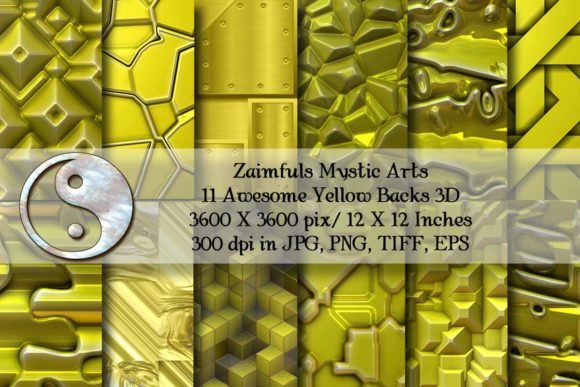
In the world of digital design, texture and depth are often the missing ingredients that separate an amateur project from a professional masterpiece. While flat colors serve a purpose, they rarely capture the imagination in the way that dynamic, dimensional art does. This is precisely where the "12 More 3D Yellow Backgrounds" collection from Zaimfuls Mystic Arts steps in. It is not merely a set of images; it is a comprehensive toolkit designed to inject energy, warmth, and sophisticated depth into your creative endeavors. For designers, marketers, and content creators who demand high-quality assets, this collection offers a specific solution: vibrant, high-resolution 3D aesthetics centered around a powerful yellow color palette.
Yellow, in color psychology, is the hue of optimism, clarity, and energy. When translated into a three-dimensional format, it transforms from a simple background color into an active element of your design. These backgrounds feature intricate plays of light and shadow, creating folds, waves, and geometric structures that seem to leap off the screen. Whether you are working on a branding project that needs to convey innovation or a social media campaign that requires immediate visual impact, the visual personality of these assets is unmistakable. They are bold, modern, and unapologetically eye-catching.
Technical Precision for Commercial Projects
One of the most critical aspects of working with design assets is the technical specification, particularly when the final output is intended for print or large-format display. A common frustration for creatives is finding an image that looks great on screen but falls apart—becoming pixelated or blurry—when sent to a printer. The "12 More 3D Yellow Backgrounds" collection eliminates this risk entirely. Every single file is provided in a substantial 3600x3600 pixel dimension, which equates to a perfect 12x12 inch square at 300 DPI.
This resolution is the industry standard for high-quality printing. It means these backgrounds are ready for immediate use in professional printing scenarios without the need for upscaling or artificial enhancement. The collection includes multiple file formats—JPG, TIFF, EPS, and PNG—ensuring maximum compatibility across different software platforms. Whether you are using Adobe Photoshop, Illustrator, Canva, or even mobile-based design apps, you will find a format that integrates seamlessly into your workflow.
The availability of the EPS format is particularly noteworthy for those involved in logo design and brand identity creation. Vector-friendly formats allow for scalability, ensuring that the crispness of the 3D effects is maintained regardless of how the asset is manipulated. For digital marketers, the PNG files offer the versatility needed for layering, while the JPGs provide excellent compression for web use without sacrificing the rich details of the 3D rendering.
Practical Applications: From Print to Digital
The versatility of the "12 More 3D Yellow Backgrounds" extends far beyond simple desktop wallpaper. Understanding how to leverage these assets across different mediums can significantly elevate the quality of your output. Here is a breakdown of how this collection fits into various creative workflows:
- Digital Card Making and Scrapbooking: For hobbyists and crafters, the 12x12 inch format is the gold standard. These backgrounds serve as the perfect base layer for digital scrapbooks, greeting cards, and invitations. The 3D texture adds a tactile quality to digital layouts that flat papers simply cannot achieve.
- Web and Blog Design: In web design, a hero image can make or break a user's first impression. A vibrant yellow 3D background can act as a stunning header image for a blog or website, immediately setting a tone of creativity and confidence. It draws the eye and encourages visitors to stay and explore the content.
- Packaging and Product Mockups: For entrepreneurs and small business owners, packaging is the first physical touchpoint with a customer. Using these high-resolution textures on packaging design for products like coffee bags, tech accessories, or cosmetics can create a shelf presence that pops. The 3D effect suggests quality and modernity.
- Apparel and Merchandise: The high DPI makes these files ideal for print-on-demand services. Imagine a t-shirt design where the 3D yellow texture forms the background of a typographic statement, or a mug where the texture wraps around the ceramic. The file quality ensures the print is sharp and durable.
- Social Media Graphics: Algorithms favor engagement, and high-contrast, visually interesting images stop the scroll. These backgrounds are excellent for creating Instagram posts, Facebook covers, or YouTube thumbnails. They provide a consistent visual theme that can help build brand recognition across platforms.
Integrating 3D Assets into Brand Strategy
When we talk about brand identity, we are discussing the collection of all visual elements that represent a business. While typography—such as a serif font for tradition or a sans serif font for modernity—plays a huge role, the background texture is the stage upon which these fonts perform. Using "12 More 3D Yellow Backgrounds" can influence how an audience perceives a brand.
A brand that utilizes textured, dynamic backgrounds is often perceived as more established and detail-oriented. It suggests that the company cares about aesthetics and is willing to invest in premium font styles and design assets. For example, a tech startup might use these yellow 3D backgrounds to convey "energy and innovation," pairing them with a clean, geometric typeface. In contrast, a creative agency might use them to showcase "boldness and artistic flair."
Consistency is another key factor. By purchasing a collection like this, you gain access to 12 variations of the same style. This allows you to maintain a cohesive look across a campaign—using one variation for a website banner, another for a newsletter header, and a third for a brochure—without becoming repetitive. This visual rhythm helps in building brand recognition, as the audience begins to associate that specific style and color palette with your business.
Design Guidance and Best Practices
While these backgrounds are visually striking, they require a thoughtful approach to typography and layout to be effective. Because the backgrounds feature 3D textures and strong colors, there is a risk of visual competition with your text. Here are some practical tips for using the "12 More 3D Yellow Backgrounds" effectively:
- Contrast is King: Yellow is a high-value color (light). To ensure readability, pair these backgrounds with dark text. Black, charcoal grey, or deep navy blue typefaces will stand out sharply against the yellow. Avoid white text, as it will likely disappear into the lighter areas of the 3D texture.
- Typography Choices: When selecting a typeface for overlay, consider the complexity of the background. A highly detailed 3D background pairs best with a simpler font. A clean sans serif font or a bold, blocky display font often works better than an intricate script font or handwritten font, which can get lost in the folds and shadows of the 3D art.
- Use of Overlays: If you find the background too busy for a large block of text, consider using a semi-transparent overlay. A dark grey or black overlay at 50% opacity can tone down the brightness of the yellow and add depth, making your text pop even more.
- Focal Points: Analyze the light source in the 3D background. Usually, there is a focal point where the light hits. Place your most important text or logo near this area to draw the viewer's eye naturally to the center of the composition.
Ultimately, "12 More 3D Yellow Backgrounds" is more than just a set of pretty pictures. It is a versatile toolkit for modern creatives. Whether you are designing a website, printing a t-shirt, or crafting a social media strategy, these high-resolution assets provide the quality and flexibility needed to produce professional-grade work. By understanding the technical specs and applying smart design principles, you can turn these backgrounds into a cornerstone of your visual communication.